
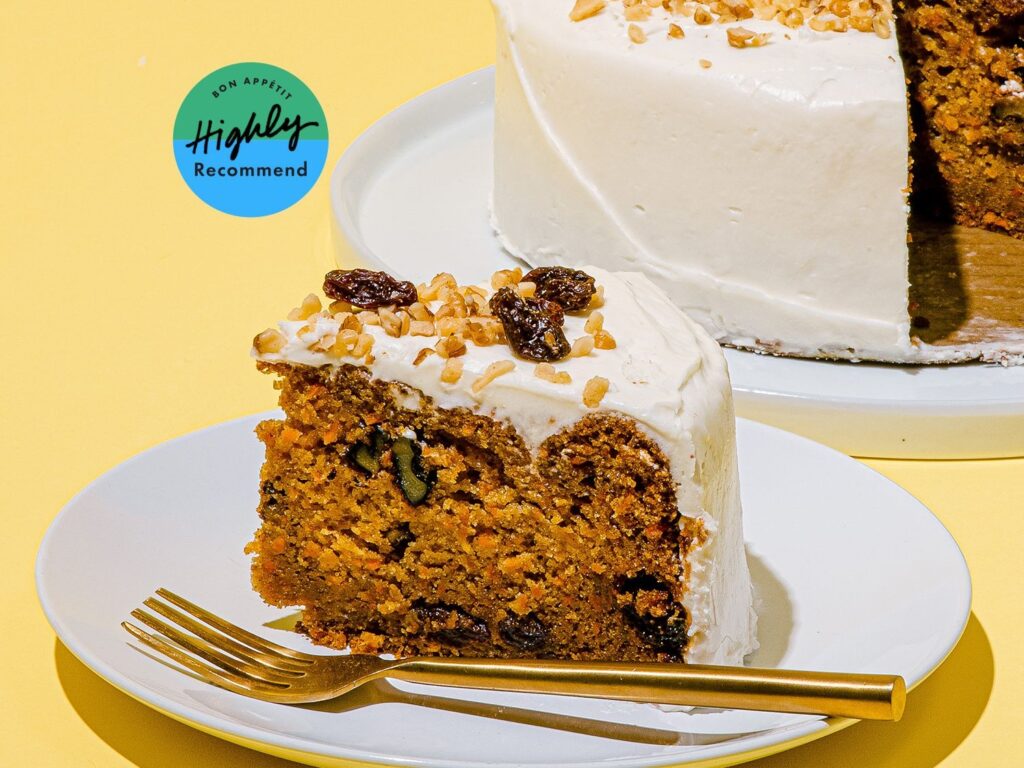
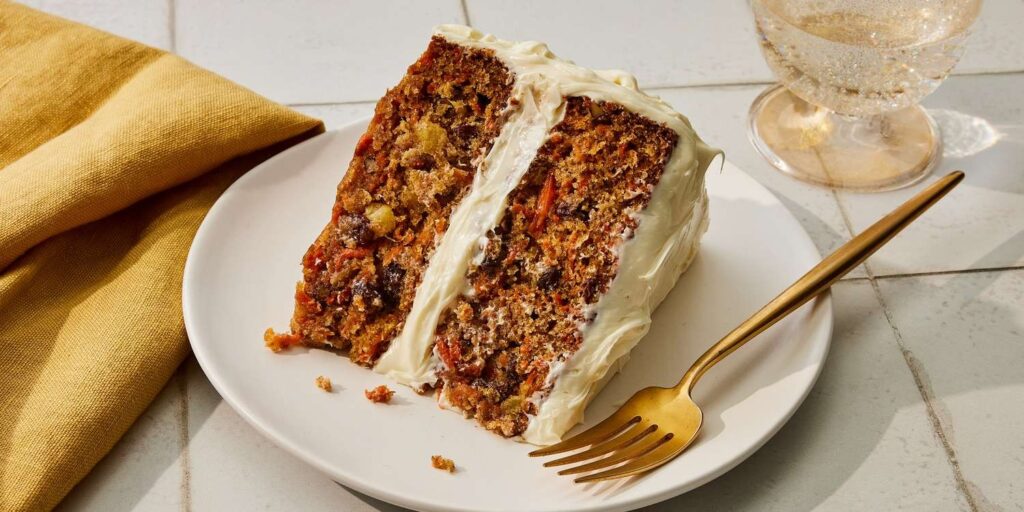
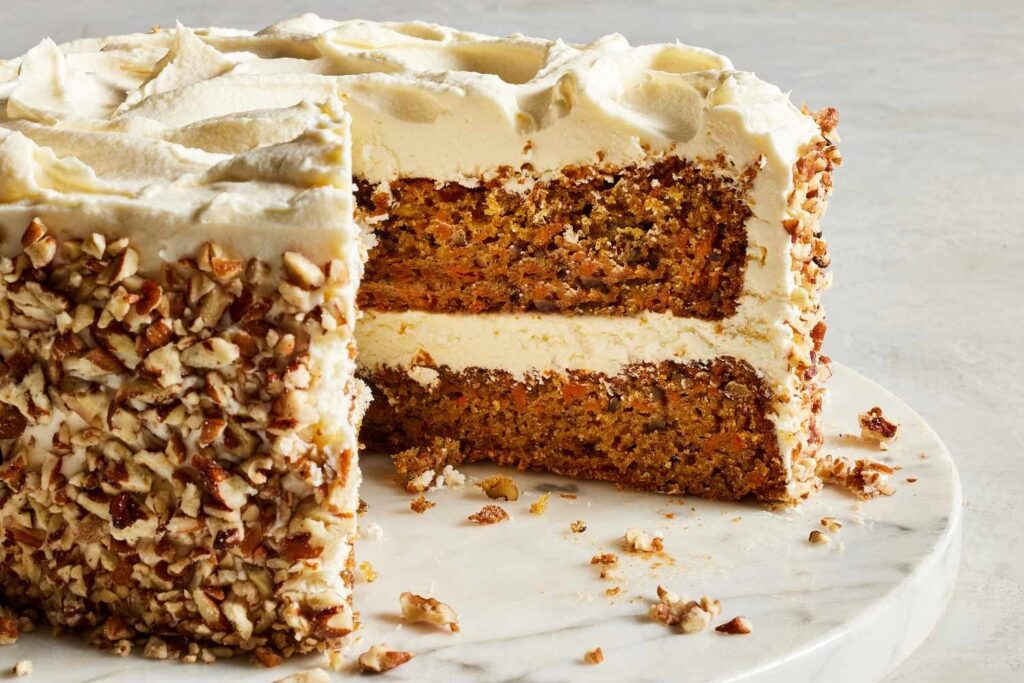
The Lloyds carrot cake recipe is widely known among New York dessert lovers for one reason: it’s incredibly moist while still tasting rich and balanced.
Unlike lighter sponge cakes, this style of carrot cake is dense, spice-forward, and layered with tangy cream cheese frosting. The batter relies on oil, freshly grated carrots, and warm spices to create a cake that stays tender for days.
If you follow the technique carefully, the result is a bakery-style carrot cake with deep flavor, soft crumb, and perfectly balanced frosting.
Below you’ll find not only the recipe—but also the ingredient science, baking techniques, and troubleshooting insights that experienced bakers use to get consistent results.
Lloyds carrot cake is a rich New York–style carrot cake known for its moist texture, warm spices, and thick cream cheese frosting. Unlike lighter carrot cakes, it uses oil instead of butter, plenty of fresh carrots, and brown sugar to create a dense, flavorful dessert.
What makes this style memorable:
The flavor becomes even better after a day in the refrigerator, which is why many bakeries prepare it ahead of time.
A great carrot cake is not just about ingredients — technique matters just as much.
Butter solidifies when chilled, which can make cakes feel firm.
Oil stays liquid at room temperature, so it keeps the crumb soft and moist for several days.
Fresh carrots contain water and natural sugars. During baking they release moisture that helps prevent the cake from drying out.
Using both baking soda and baking powder creates:
Overmixing develops gluten in the flour, which makes cake tough. Gentle mixing keeps the crumb soft and tender.
Understanding the ingredients helps you bake with confidence.
Carrots add:
Finely grated carrots blend better into the batter.
Brown sugar contains molasses, which adds:
This is one reason bakery carrot cakes taste richer.
Oil creates a soft crumb structure by coating flour proteins, which limits gluten development.
This keeps the cake tender even after refrigeration.
Cream cheese frosting adds tanginess, which balances the sweetness of the cake and enhances the spice flavor.
Preheat the oven to 350°F (175°C).
Grease two 9-inch cake pans and line them with parchment.
Why this matters:
Parchment prevents sticking and allows the cake layers to release cleanly.
In a bowl whisk together:
Technique insight:
Whisking distributes leavening evenly so the cake rises uniformly.
Whisk together:
Add eggs one at a time and mix until smooth.
Why this step matters:
Proper emulsification helps create a smooth batter and even crumb.
Fold in grated carrots and chopped walnuts.
Technique tip:
Use freshly grated carrots instead of packaged shreds. Packaged carrots are dry and produce a less moist cake.
Add dry ingredients gradually into the wet mixture.
Mix until just combined.
Professional insight:
Stop mixing as soon as flour disappears. Overmixing can make carrot cake dense.
Divide batter evenly between pans.
Bake 30–35 minutes until a toothpick comes out clean.
Cool completely before frosting.
Why cooling matters:
Warm cakes melt frosting and create unstable layers.
Beat cream cheese and butter until smooth.
Add powdered sugar gradually and mix on low speed.
Finish with vanilla and salt.
Professional tip:
If the frosting becomes too soft, chill for 10 minutes before spreading.
Cause:
Fix:
Cause:
Fix:
Cause:
Fix:
Cause:
Fix:
These variations expand usability without changing the core recipe.
Add ½ cup crushed pineapple to increase moisture and sweetness.
Commonly searched variation.
Replace flour with a 1:1 gluten-free baking blend.
Ensure the blend includes xanthan gum.
Bake batter in cupcake liners.
Bake for 18–22 minutes.
Popular for parties and gatherings.
Reduce sugar by ¼ cup and add ½ cup unsweetened applesauce.
Maintains moisture with slightly lighter sweetness.
Carrot cake should be stored in the refrigerator because cream cheese frosting is perishable. Place the cake in an airtight container and refrigerate for up to five days. For longer storage, wrap slices tightly and freeze them for up to three months.
Storage tips:
Yes, carrot cake freezes very well. Wrap individual slices or whole unfrosted layers tightly in plastic wrap and store in a freezer bag. Frozen carrot cake keeps its texture for up to three months and should be thawed overnight in the refrigerator.
Carrot cake pairs well with drinks that balance its sweetness.
Popular pairings include:
These are small details experienced bakers use to improve results.
Grate carrots finely
Large carrot pieces create uneven texture.
Bake layers evenly
Weigh batter if possible for identical layers.
Rest the cake overnight
Flavor improves after chilling.
Use room temperature eggs
Helps create smoother batter.


