
Introduction
Protein is one of the most essential macronutrients required for maintaining good health and proper body function. It supports muscle growth, tissue repair, hormone production, enzyme activity, and immune defense. Because protein plays such a vital role in the body, nutrition experts emphasize the importance of consuming high-protein foods for a balanced diet every day.
Eating foods rich in protein helps stabilize blood sugar levels, improve metabolism, and promote long-lasting fullness after meals. This is why many nutritionists recommend a healthy high protein diet for weight management, muscle maintenance, and overall wellness.
Fortunately, there are many protein-rich foods available for every type of diet. Whether you prefer animal products like eggs and fish or plant-based protein sources such as lentils, beans, and tofu, it is possible to build a nutritious meal plan that supports balanced nutrition.
In this guide, you will discover the best high-protein foods for a balanced diet, understand the science behind protein nutrition, and learn how to include more protein-rich foods in your daily meals.
Why Protein Is Important in a Balanced Diet
Protein is made of amino acids, which are often called the building blocks of the body. These amino acids help create new cells, repair damaged tissues, and support metabolic processes.
There are 20 amino acids in total, and 9 essential amino acids must come directly from food sources because the body cannot produce them.
Key Functions of Protein in the Body
A diet that includes high-protein foods for a balanced diet helps the body:
- Build and repair muscles and tissues
- Support immune system function
- Produce hormones and enzymes
- Maintain healthy hair, skin, and nails
- Regulate metabolism and energy production
- Promote satiety and reduce overeating
Protein also helps control hunger hormones such as ghrelin, which explains why protein-rich meals keep you full longer than carbohydrate-heavy meals.
What Foods Are Good for Protein in a Balanced Diet?
Many foods provide excellent sources of protein along with essential vitamins and minerals. The best choices combine high protein content with healthy fats, fiber, and micronutrients.
Below is a list of some of the most nutritious foods high in protein.
| Food | Protein per 100g | Nutrition Highlights |
|---|---|---|
| Chicken breast | 31g | Lean protein, low fat |
| Eggs | 13g | Complete protein, vitamin B12 |
| Greek yogurt | 10g | Probiotics and calcium |
| Salmon | 20g | Omega-3 fatty acids |
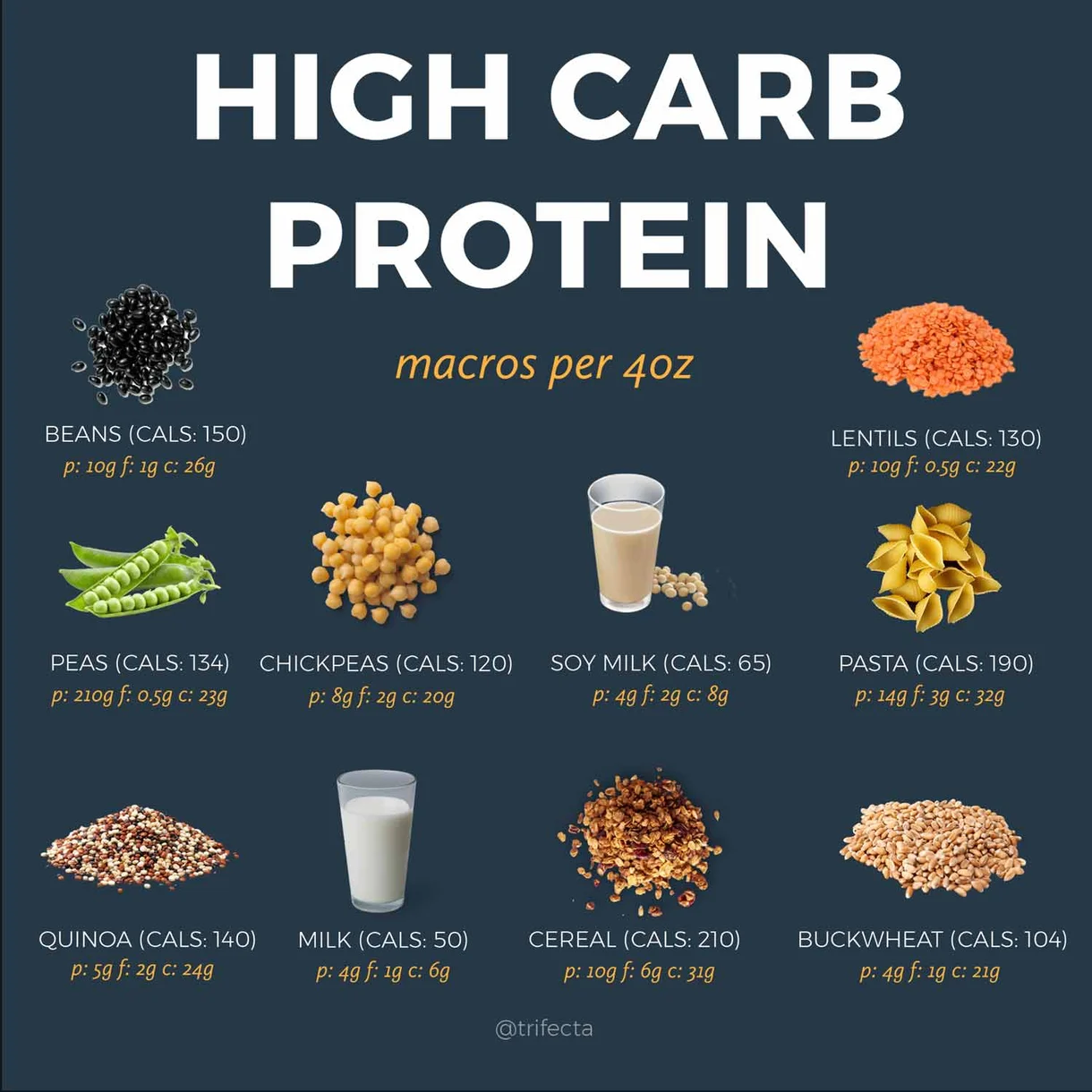
| Lentils | 9g | Fiber and plant protein |
| Cottage cheese | 11g | Bone-supporting calcium |
| Almonds | 21g | Healthy fats and antioxidants |
| Tofu | 10g | Complete plant protein |
| Quinoa | 8g | Gluten-free whole grain protein |
| Chickpeas | 8–9g | Supports digestion |
Including these protein-rich foods in daily meals helps create a sustainable and nutritious eating pattern.
Animal-Based High-Protein Foods
Animal foods are often considered complete protein sources, meaning they provide all essential amino acids required by the body.
Eggs
Eggs are one of the most affordable and nutrient-dense protein foods available. Each egg contains about 6–7 grams of high-quality protein.
Nutritional benefits include:
- Complete amino acid profile
- Rich in choline for brain health
- Supports muscle maintenance
Eggs are also highly versatile and can be included in breakfast, lunch, or dinner meals.
Lean Meat
Lean meats such as chicken breast, turkey, and lean beef are among the most popular high protein foods for athletes and health-conscious individuals.
Benefits include:
- High protein concentration
- Supports muscle recovery and growth
- Provides iron and vitamin B12
Choosing grilled or baked lean meats helps reduce unnecessary saturated fat intake.
Fish and Seafood
Fish is not only rich in protein but also contains heart-healthy omega-3 fatty acids.
Common high-protein fish options include:
- Salmon
- Tuna
- Sardines
- Mackerel
Regular fish consumption supports brain health, cardiovascular health, and reduced inflammation.
Dairy Products
Dairy foods provide protein along with important nutrients such as calcium, phosphorus, and probiotics.
High-protein dairy choices include:
- Greek yogurt
- Cottage cheese
- Milk
- Cheese
Greek yogurt is especially popular in high-protein diet plans because it contains almost twice the protein of regular yogurt.
Plant-Based High-Protein Foods
Plant proteins provide additional benefits including fiber, antioxidants, and plant-based nutrients that support digestion and heart health.
Legumes
Legumes are one of the best plant-based protein sources.
Examples include:
- Lentils
- Chickpeas
- Black beans
- Kidney beans
- Peas
They are also rich in dietary fiber, which helps improve gut health and stabilize blood sugar levels.
Nuts and Seeds
Nuts and seeds provide a combination of protein, healthy fats, and essential minerals.
High-protein options include:
- Almonds
- Peanuts
- Chia seeds
- Pumpkin seeds
- Flaxseeds
These foods make excellent protein-rich snacks when eaten in moderate portions.
Soy-Based Foods
Soy products are unique because they are complete plant proteins, containing all essential amino acids.
Examples include:
- Tofu
- Tempeh
- Edamame
- Soy milk
Soy-based foods are particularly important for vegetarian and vegan high-protein diets.
Whole Grains
Whole grains contain moderate protein levels and complement other protein sources.
Examples include:
- Quinoa
- Oats
- Brown rice
- Whole wheat
Quinoa is notable because it contains all nine essential amino acids, making it a rare complete plant protein.
Protein-Rich Snacks for Daily Energy
Eating protein between meals helps maintain stable energy levels and prevents overeating later.
Healthy high-protein snack ideas include:
- Boiled eggs
- Greek yogurt with berries
- Roasted chickpeas
- Peanut butter with whole-grain toast
- Protein smoothies
These snacks support a balanced high protein diet and help control hunger throughout the day.
What Is a Balanced High Protein Diet?
A balanced high protein diet includes adequate protein along with healthy carbohydrates, fats, vitamins, and minerals.
Ideal Macronutrient Distribution
| Nutrient | Recommended Intake |
|---|---|
| Protein | 20–30% |
| Carbohydrates | 40–50% |
| Healthy fats | 20–30% |
This balance ensures the body receives sustained energy, muscle support, and essential nutrients.
How Much Protein Should You Eat Per Day?
Protein requirements depend on body weight, activity level, and overall health.
General Daily Protein Recommendations
| Category | Recommended Intake |
|---|---|
| Average adults | 0.8 g per kg body weight |
| Active adults | 1.2–1.6 g per kg |
| Athletes | 1.6–2.0 g per kg |
For example, a 70-kg adult needs around 56 grams of protein daily for basic health needs.
Spreading protein intake evenly throughout meals improves muscle protein synthesis and nutrient absorption.
Benefits of High-Protein Foods for a Balanced Diet
Including high-protein foods for a balanced diet offers several important health benefits.
Major Benefits
- Supports muscle growth and repair
- Helps maintain healthy body weight
- Improves metabolism and fat burning
- Keeps you full longer and reduces cravings
- Stabilizes blood sugar levels
Protein-rich diets are often recommended for weight management, athletic performance, and healthy aging.
Common Mistakes When Following a High Protein Diet
Many people misunderstand how to properly follow a high protein eating plan.
Mistakes to Avoid
- Consuming too much processed meat
- Ignoring vegetables and fiber
- Relying heavily on protein supplements
- Not drinking enough water
- Eating excessive protein without balance
The best approach is focusing on whole, nutrient-dense foods rather than processed protein products.
Conclusion
Including high-protein foods for a balanced diet is essential for supporting muscle health, metabolism, and overall wellness. Protein helps repair body tissues, regulate hormones, and maintain steady energy levels throughout the day.
By incorporating a variety of protein-rich foods such as eggs, fish, dairy, legumes, nuts, seeds, and whole grains, individuals can create a sustainable and nutritious eating plan. Combining both animal and plant-based protein sources ensures the body receives all essential amino acids along with fiber and important micronutrients.
A healthy diet is not just about eating more protein—it is about maintaining balance, variety, and moderation. Making small changes, such as choosing protein-rich snacks or including protein in every meal, can significantly improve long-term health.
Start adding more high-protein foods for a balanced diet today to build stronger nutrition, better energy, and a healthier lifestyle.